

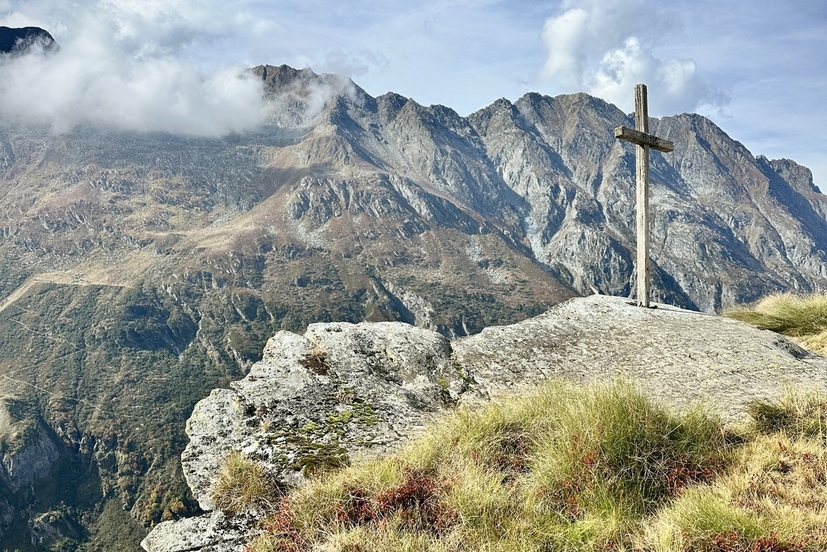

From Fionnay to Mauvoisin, the trails on the right-hand side of the Val de Bagnes hold many surprises
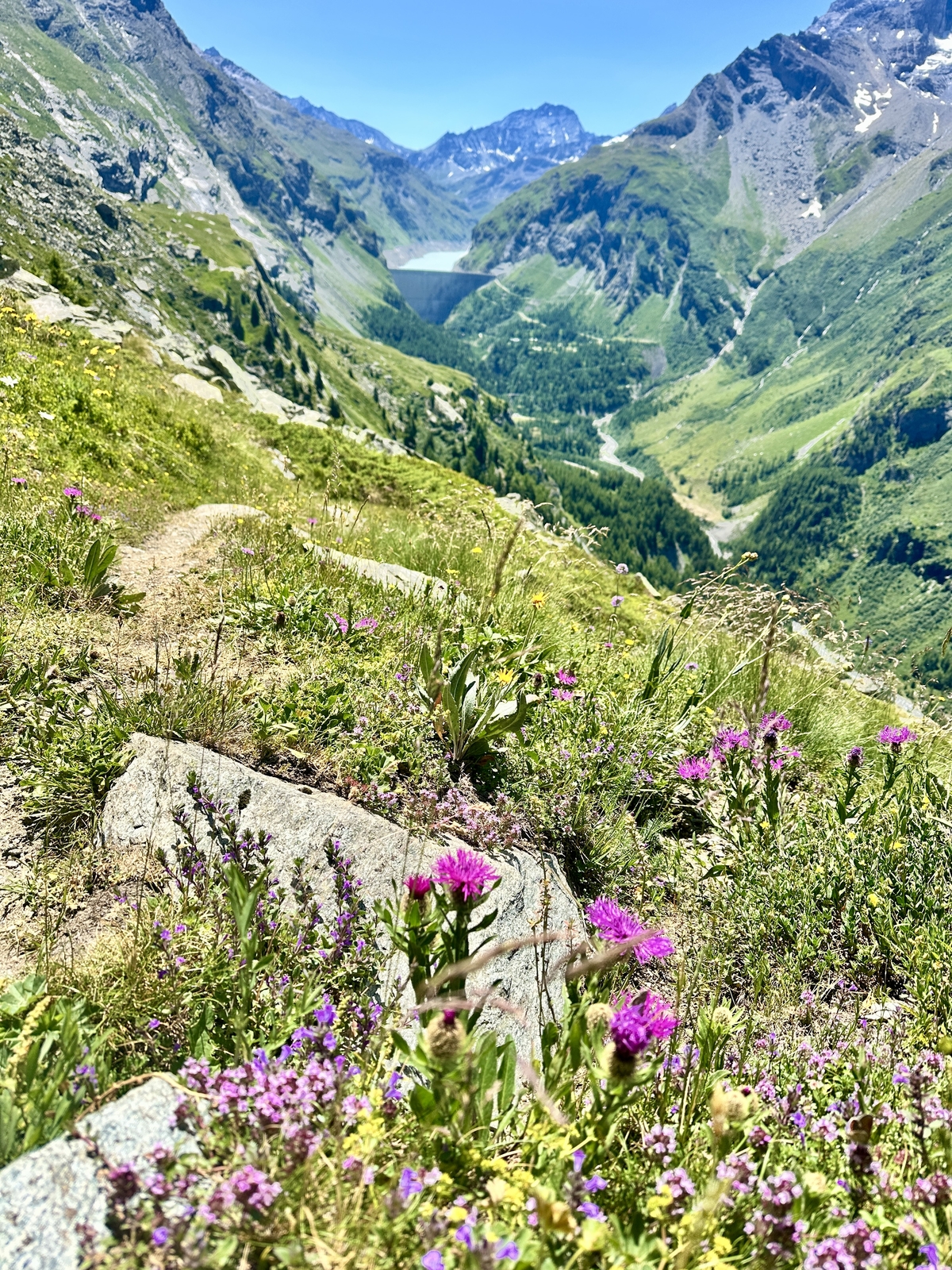
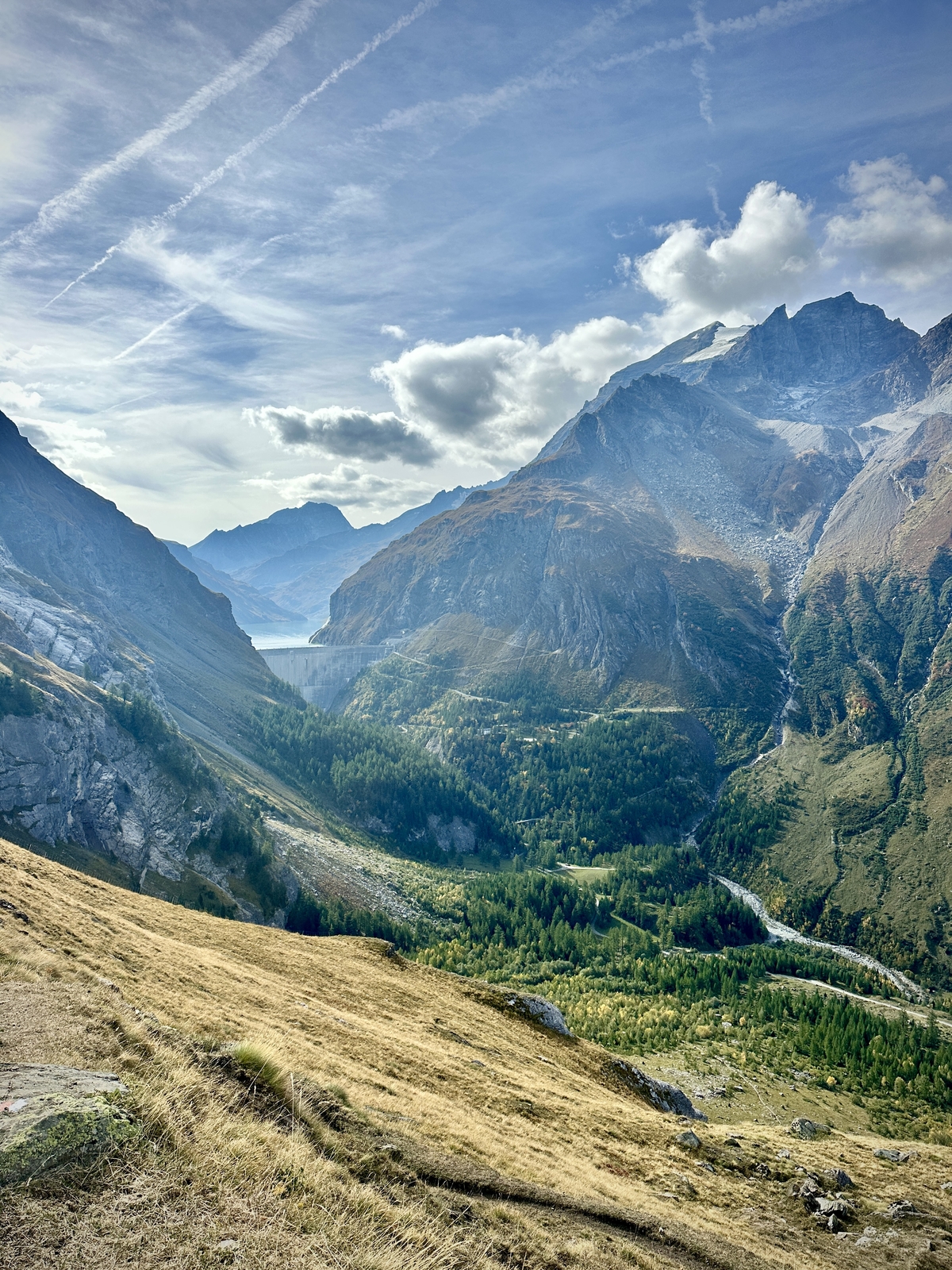
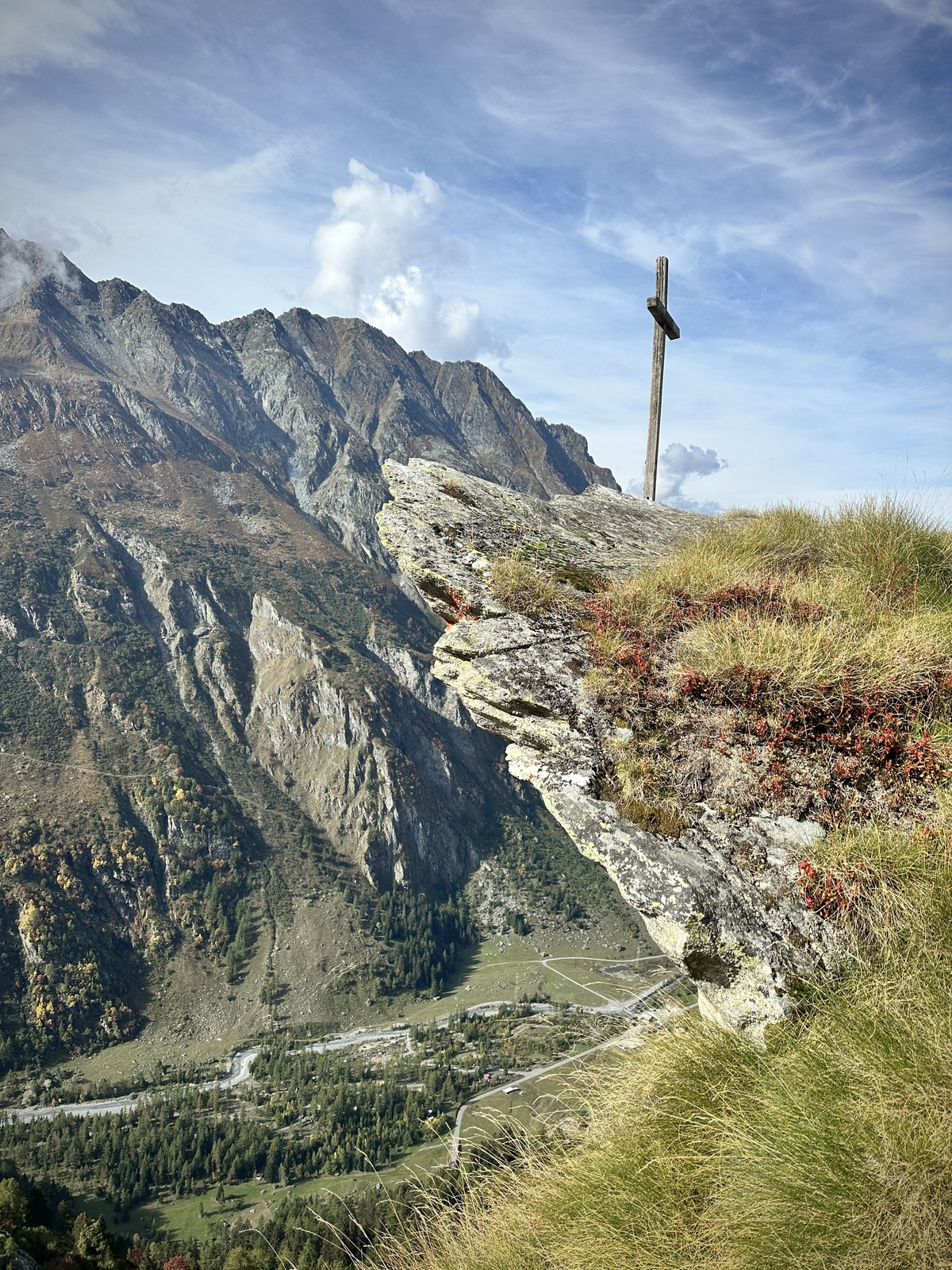
I often head back to the far end of the Val de Bagnes. The road passes through Fionnay, runs alongside Bonatchiesse and continues as far as Mauvoisin and its dam. As I look up at the slopes, I see a whole network of paths opening up on the right-hand side of the valley, leaving the valley floor and climbing towards the heights. I love returning to these trails. Each one has its own character, its own colours and surprises. A trickle of water on a level stretch, an animal moving in the distance, a glimpse of the peaks: as I walk, the mountain always seems to leave a small gift along the way.
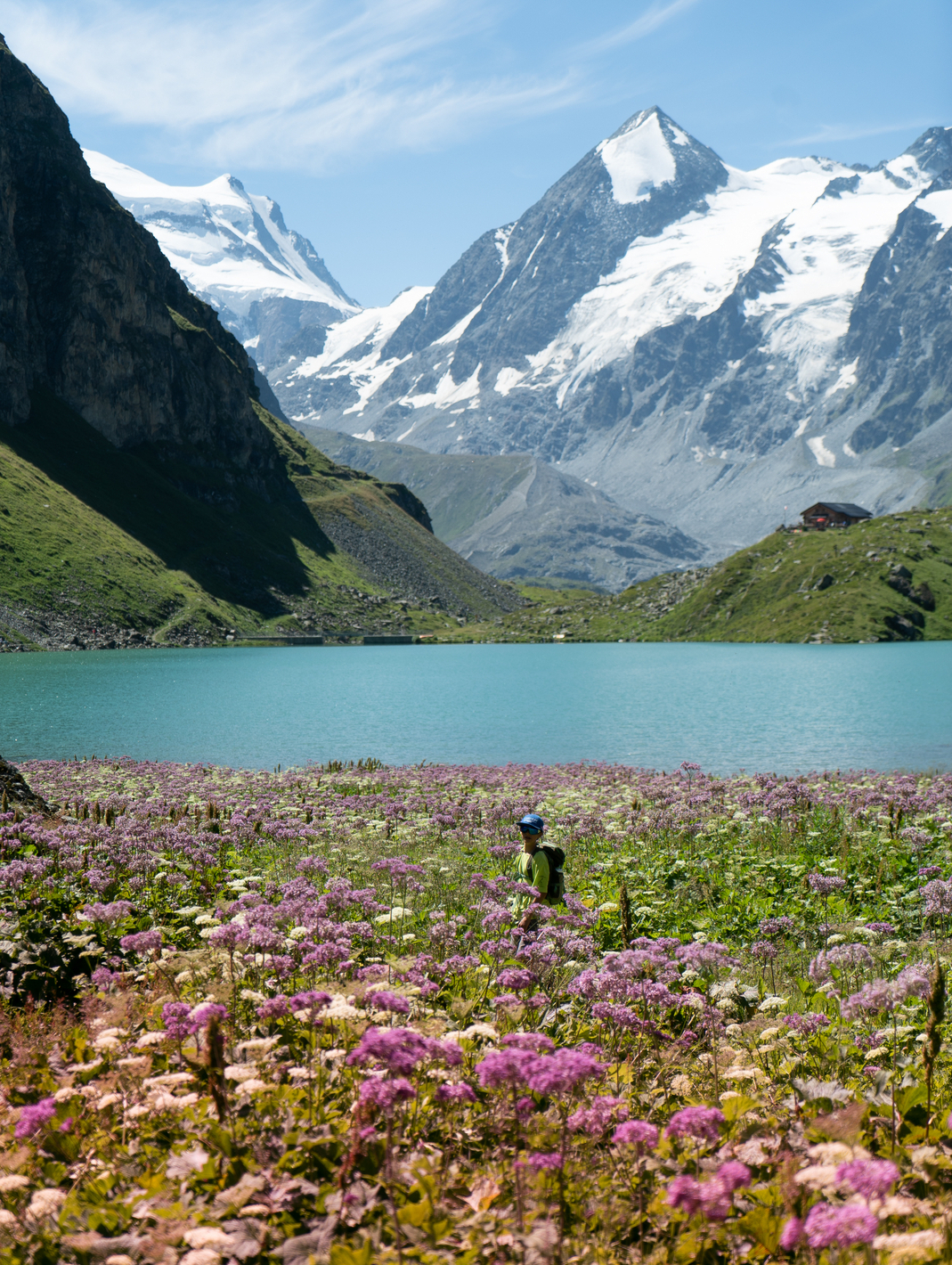
At Louvie, a lake-blue reward at the end of the climb
From Fionnay, the path climbs steeply. I feel the effort in my legs and find my own rhythm on the slope. Then the path opens out and the lake comes into view. Its blue seems to have been waiting for me all the way up. I take it in as a gift, with no fanfare beyond that final step. The mountain hut sits a little above the water. Behind it, I can make out a small section of the Grand Combin. I stop to take in the view, catch my breath and let the climb fall away for a moment. If the hut is open, a slice of tart or a drink is a good reason to linger. I often find myself looking up on these paths. Sometimes I spot ibex or chamois. Then, without warning, the bearded vulture appears in the landscape. I may have been walking for a while, focused on the path, when I see it pass overhead. It surprises me every time. Sometimes all it takes is a bend in the path and a glance at the sky.

Stone buildings and the hard work of the alpine pastures
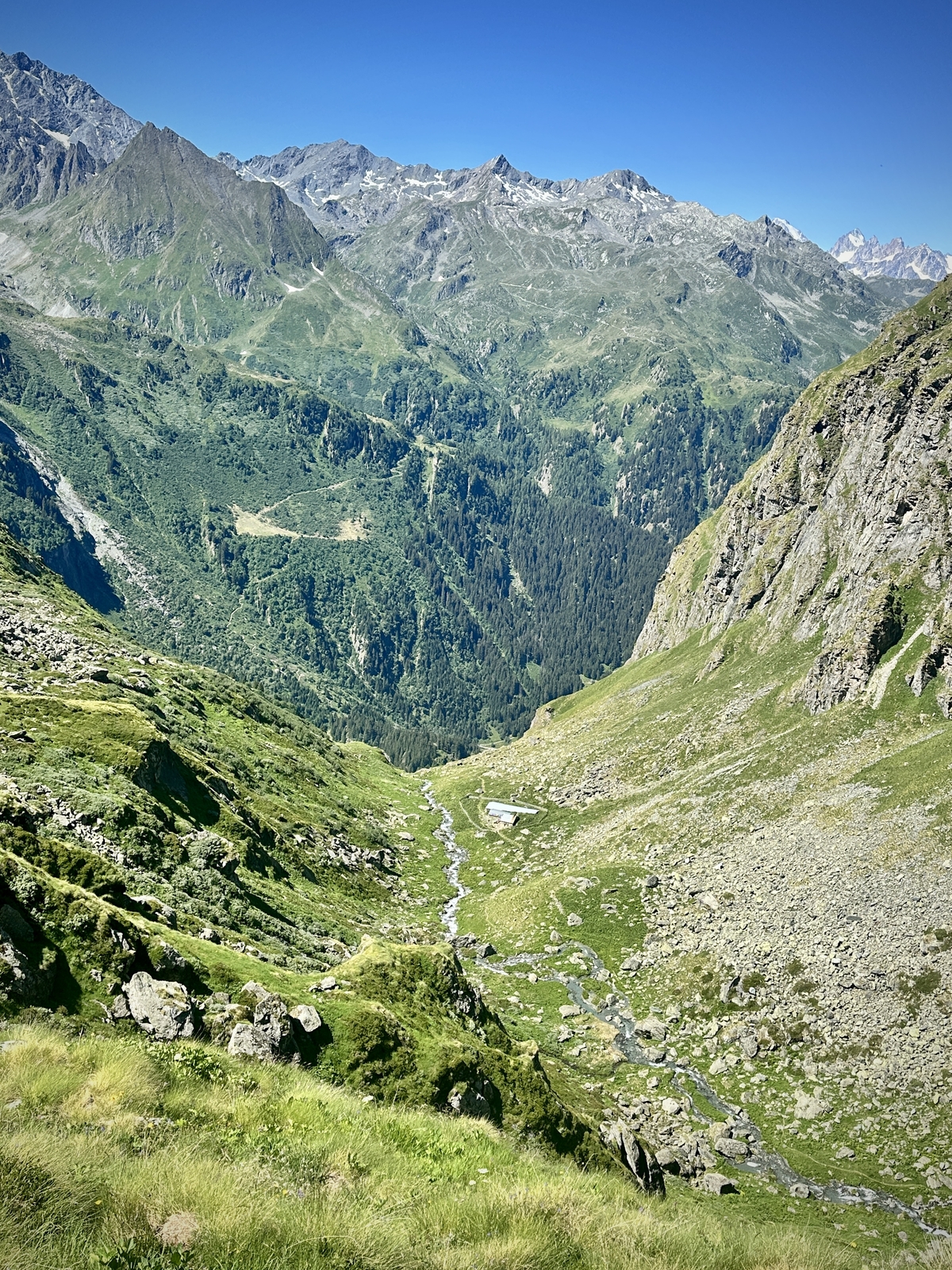
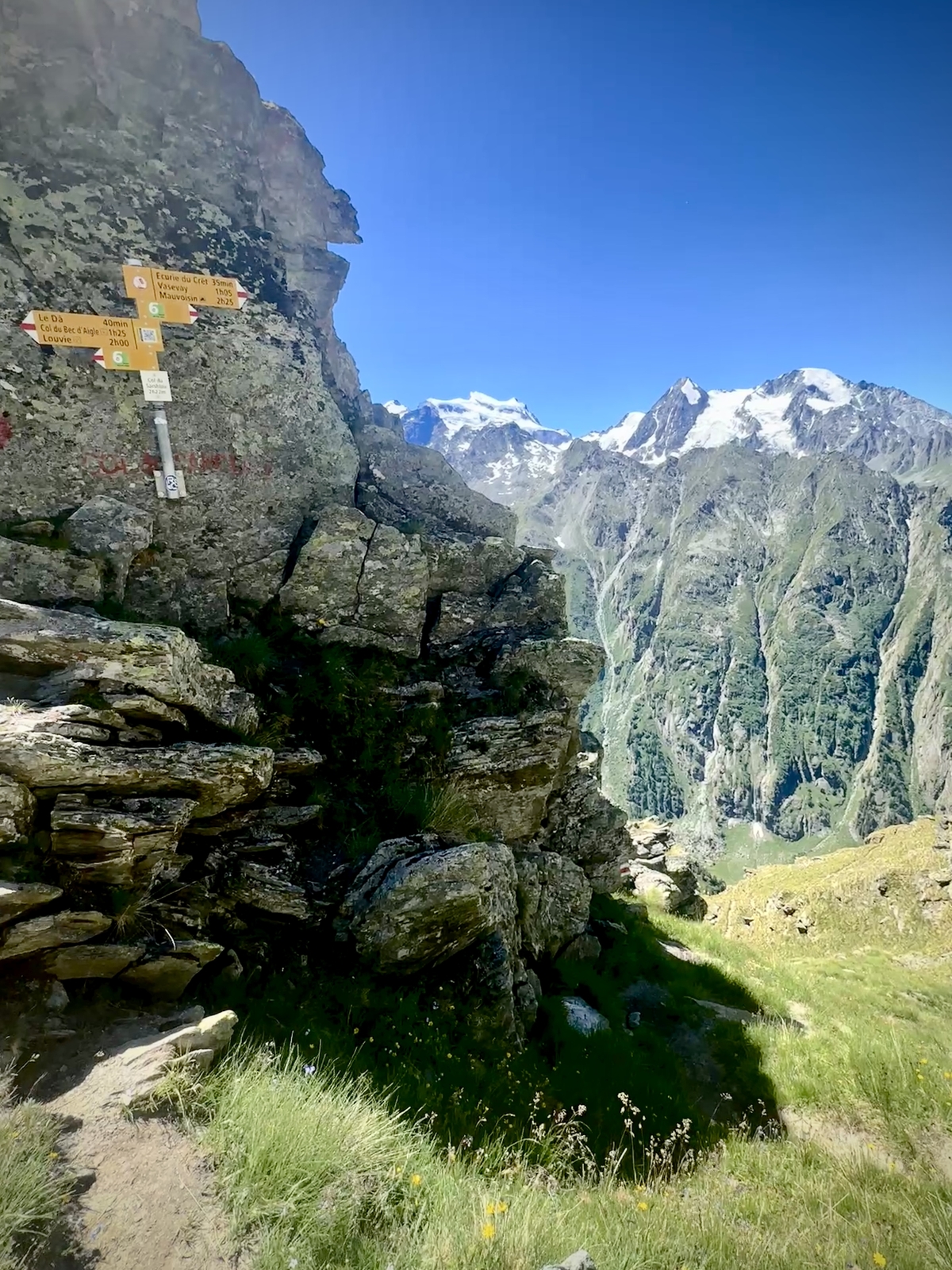
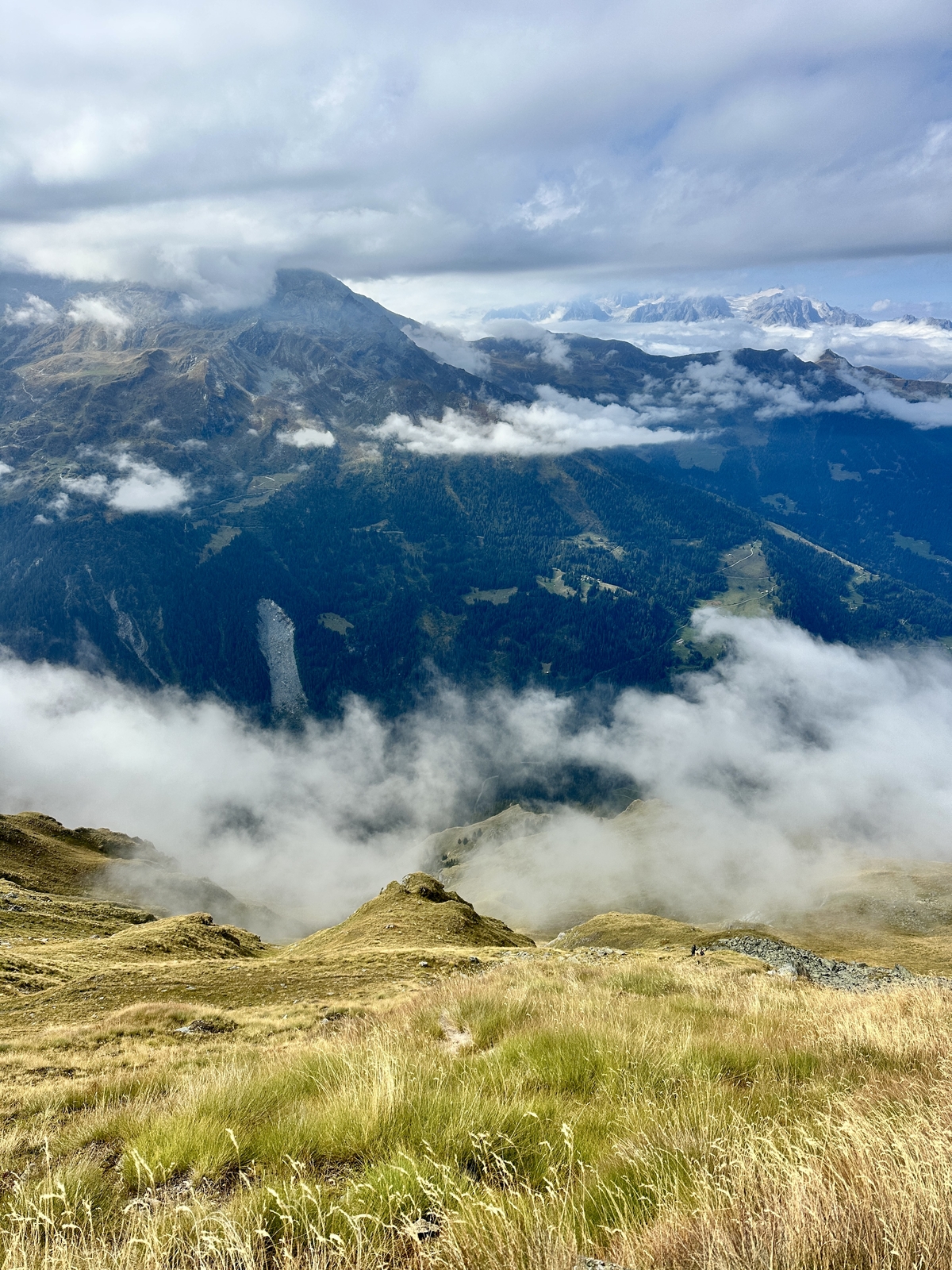
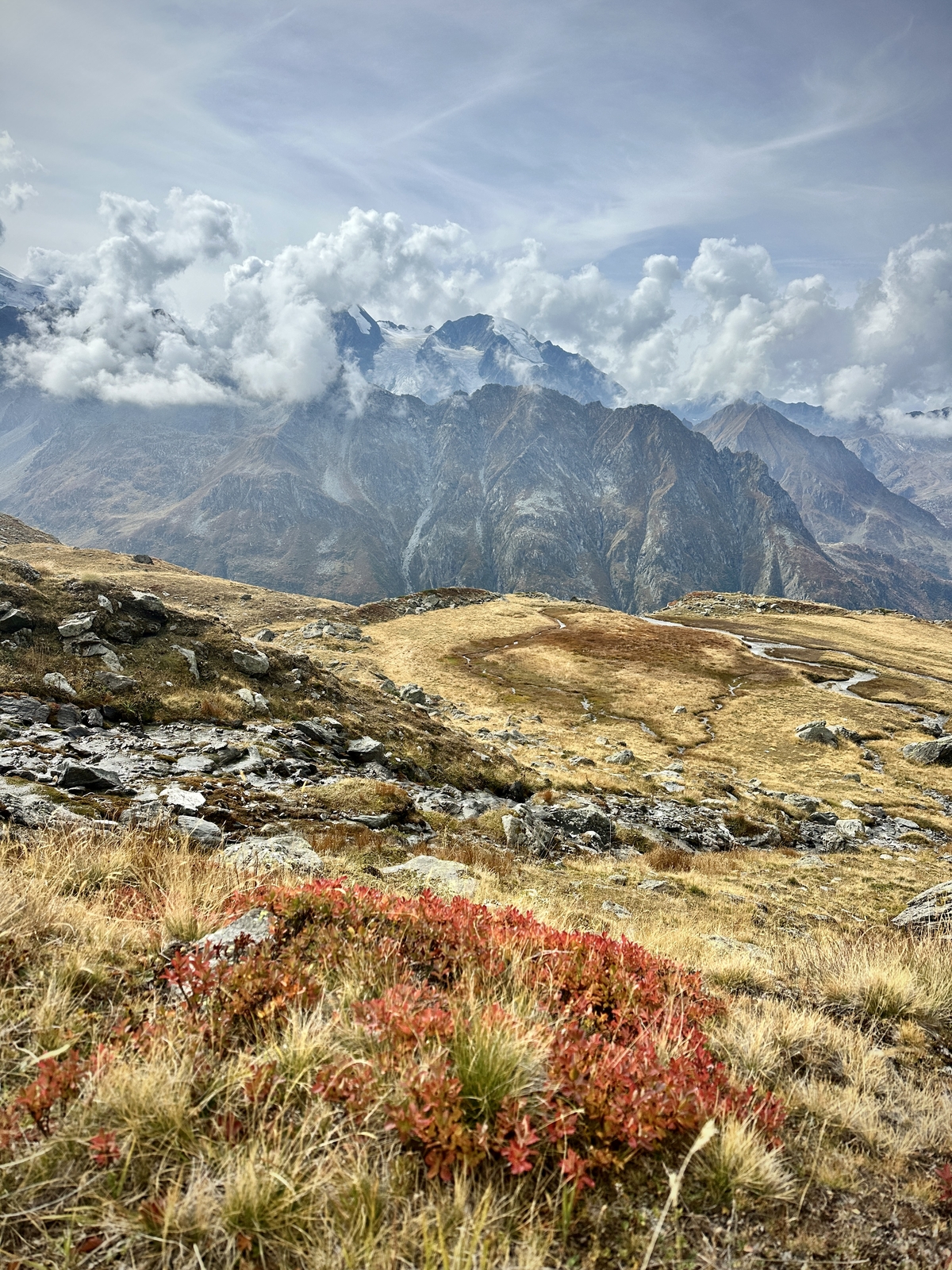
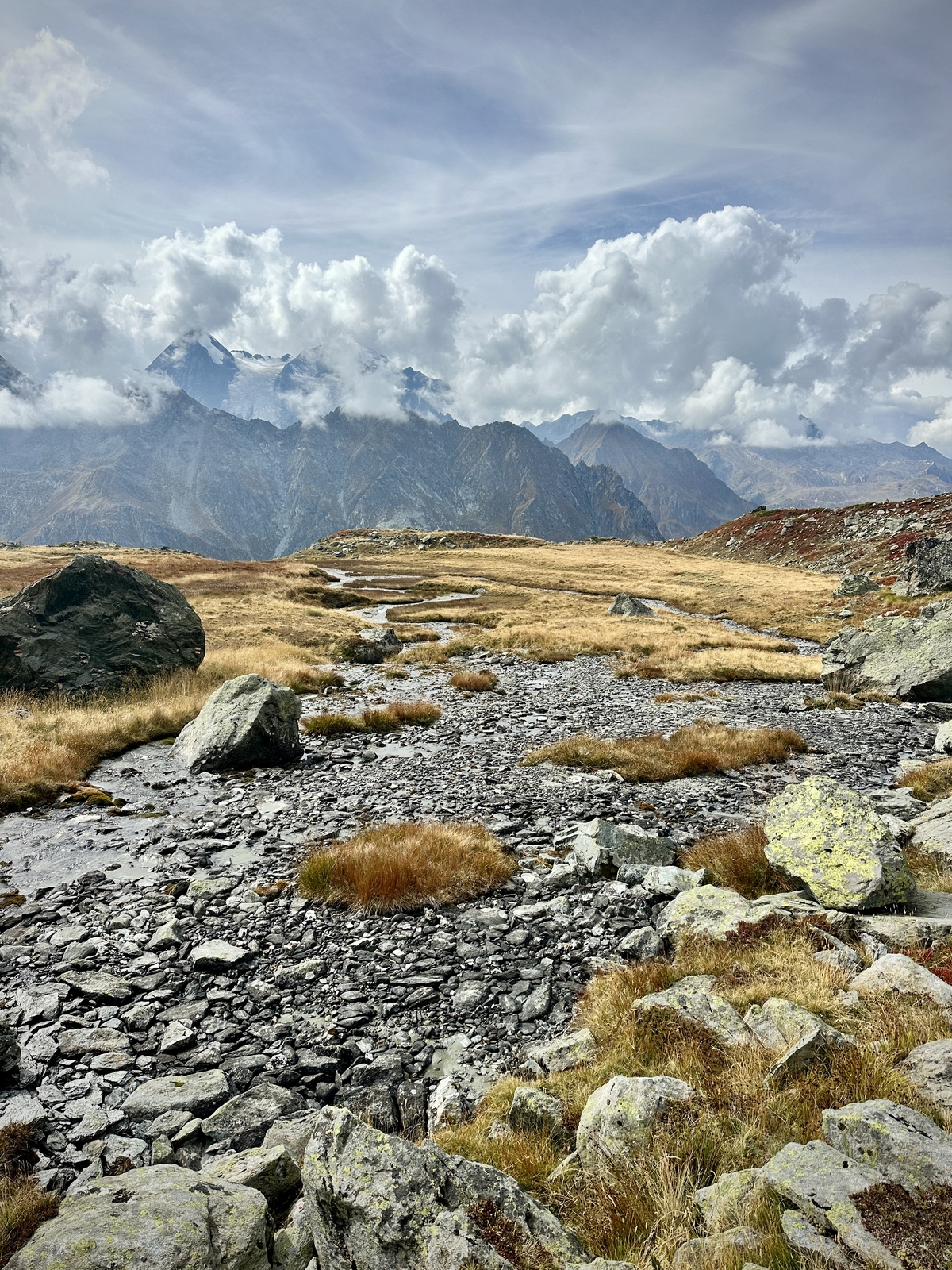
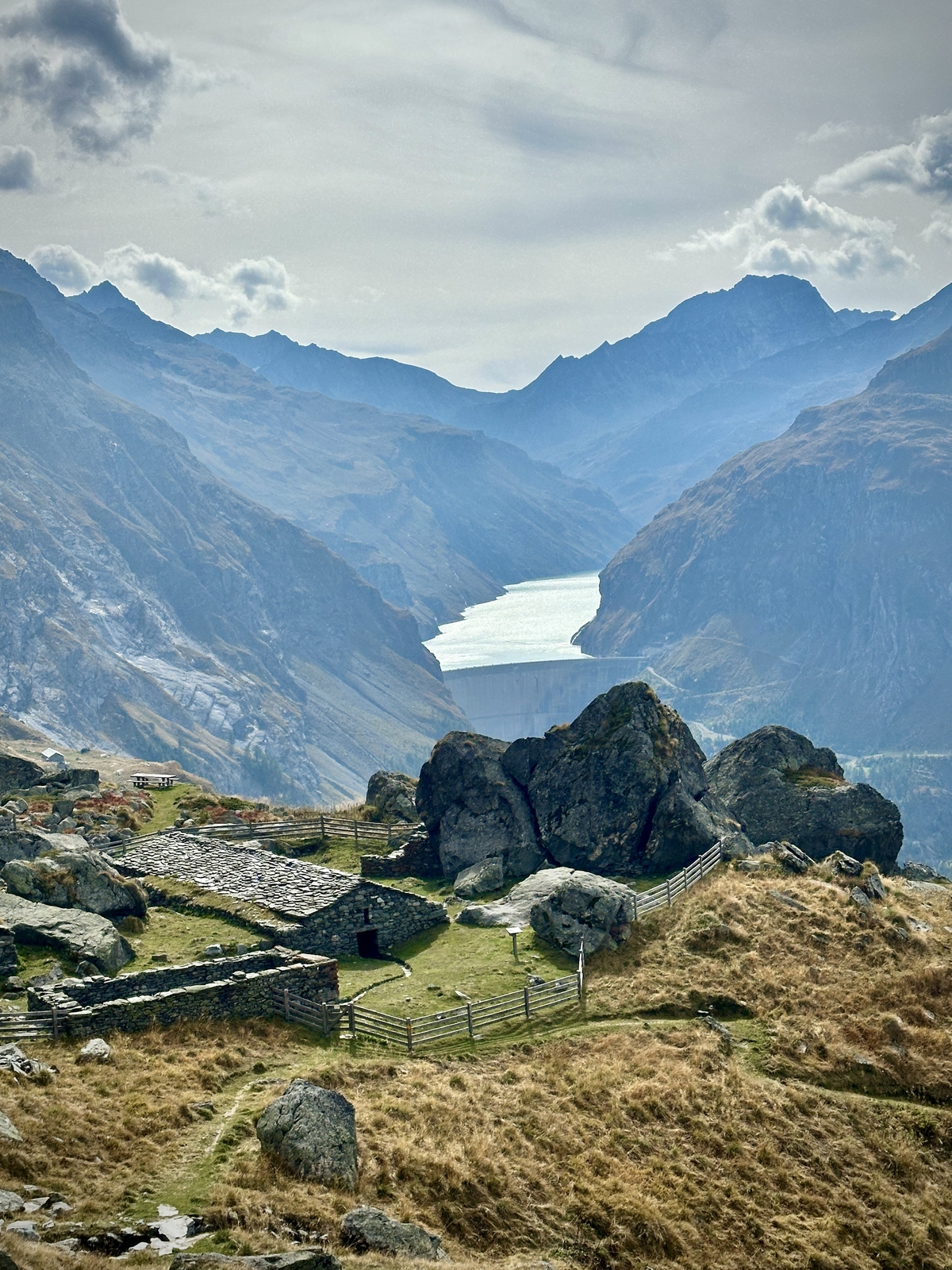
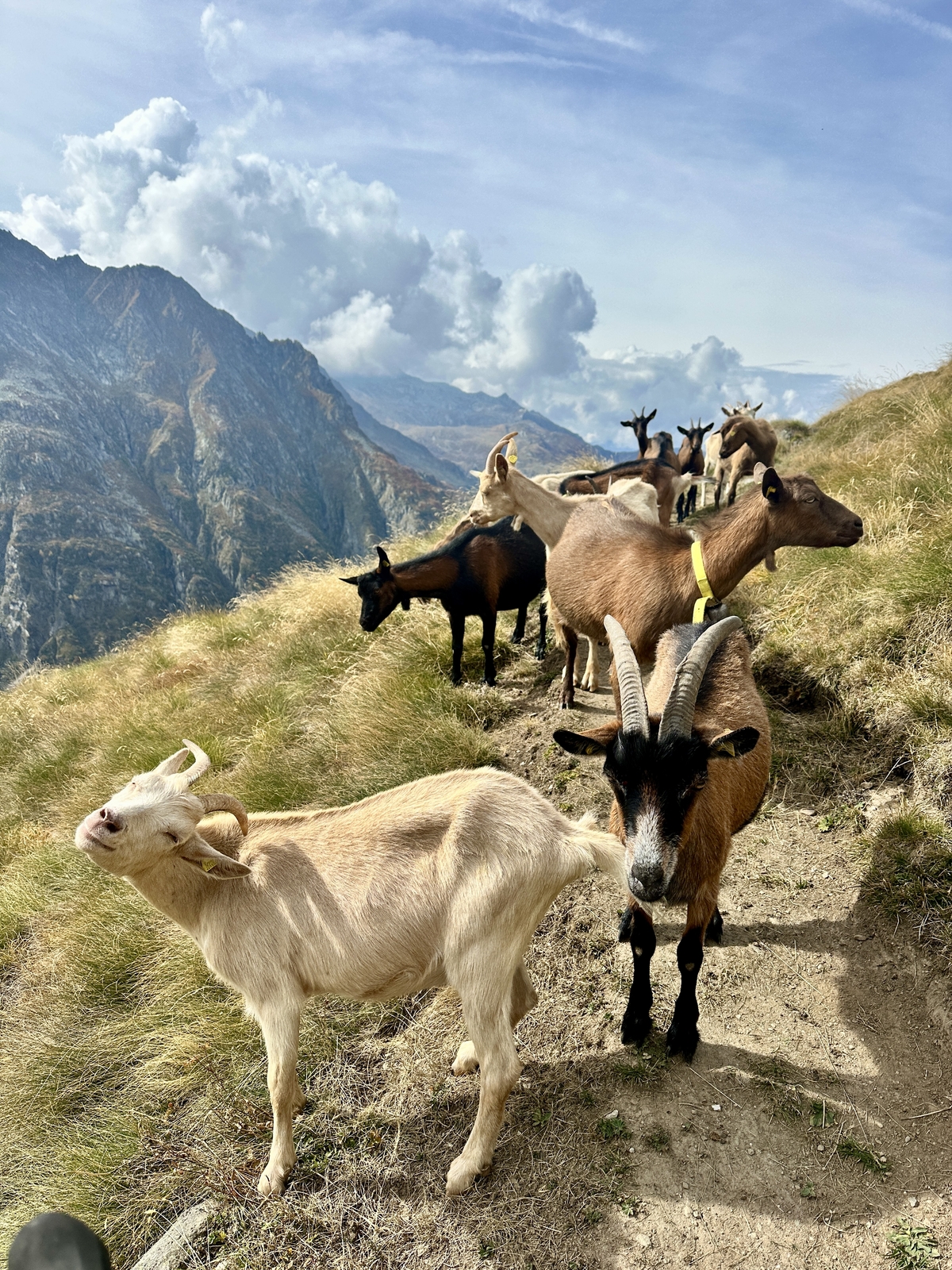
From Bonatchiesse, I head towards the stone barns at Crêt or the alpine pasture of Vasevay and its large barn. These buildings bear witness to a way of life shaped by the seasons. When I stop beside their walls, I think of the people who worked here: those who brought the animals up and lived by the rhythms of the mountain. There is something dreamlike about the alpine pasture at Vasevay: the grazing land, the quiet, the feeling of being high above the valley. Just above it, the Pleureur towers over the pasture. Its sheer bulk commands respect. It impresses me, almost intimidates me, as if the whole mountain were reminding us that this is its home. Higher up, the path opens out onto the Plan des Lires. The slope eases, the landscape widens and I notice the water flowing down. It grows thinner, breaks into little streams and winds its way across the flat ground. I could spend a long time following its course between the stones and the grass. I often want to photograph those winding streams, but the pictures never quite capture what I see. They show the water without its movement, the Plan des Lires without its sense of space. Here, everything seems finer, more alive. It is one of those landscapes you have to see for yourself. On my walks, I also come across goats or sheep. Their presence changes everything. The mountain is not just a wild expanse: it is lived in, travelled through and worked. By the end of September, the flocks and shepherds have already left the pastures. Even so, when I pass through, I think of those who spent the summer looking after them, of their hard work and their days lived up here.
The little berries that make me slow down
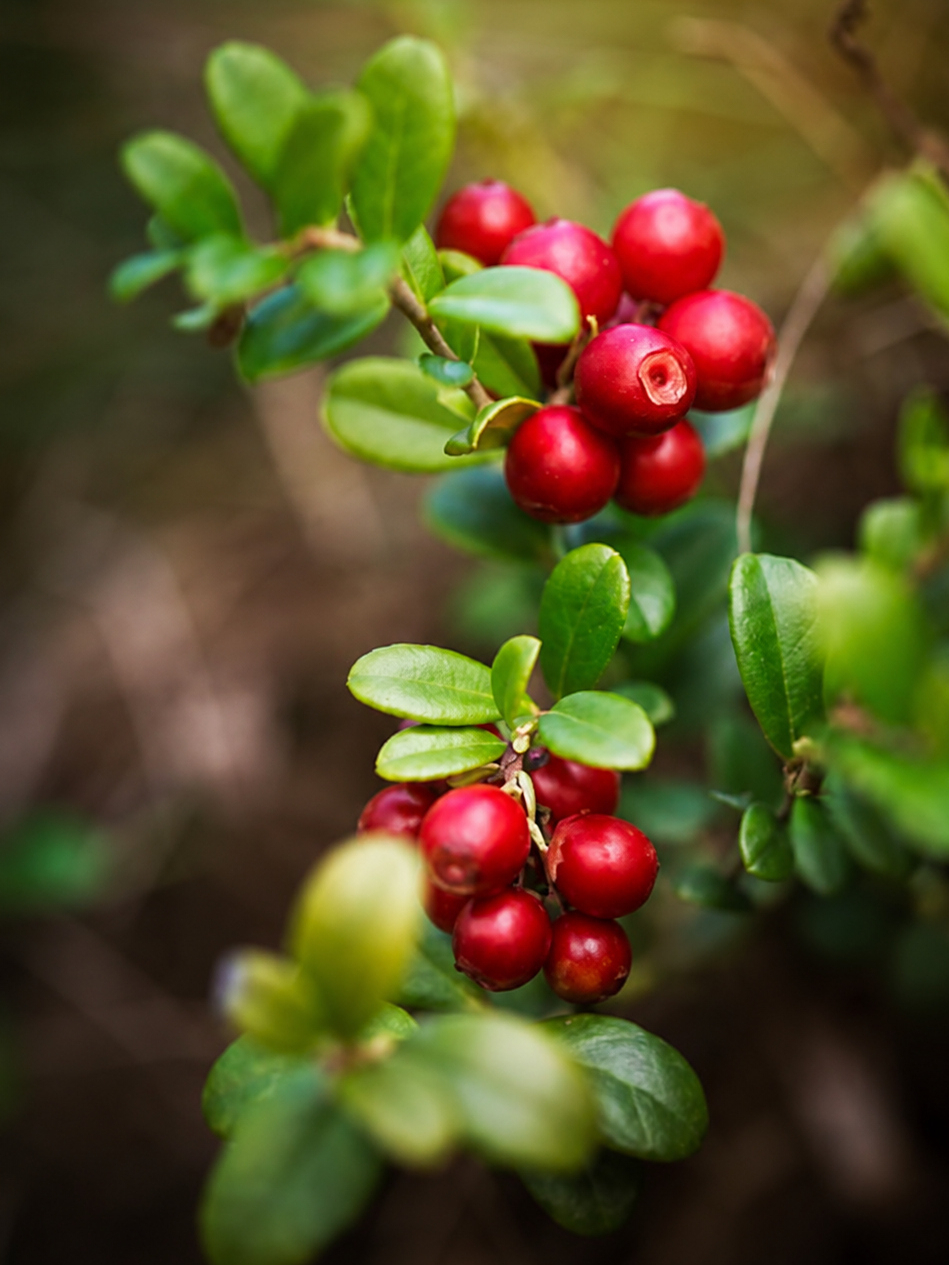
In autumn, lingonberries redden among the stones and the last bilberries catch my eye. The paths can be steep, and sometimes they traverse the slopes; I climb at a pace that suits me that day. When those little berries seem to wink at me, I stop. I taste a few, then set off again. A little pause, a little top-up of vitamins, and the pleasure of not rushing towards the summits.
One side of the valley, a thousand ways to walk
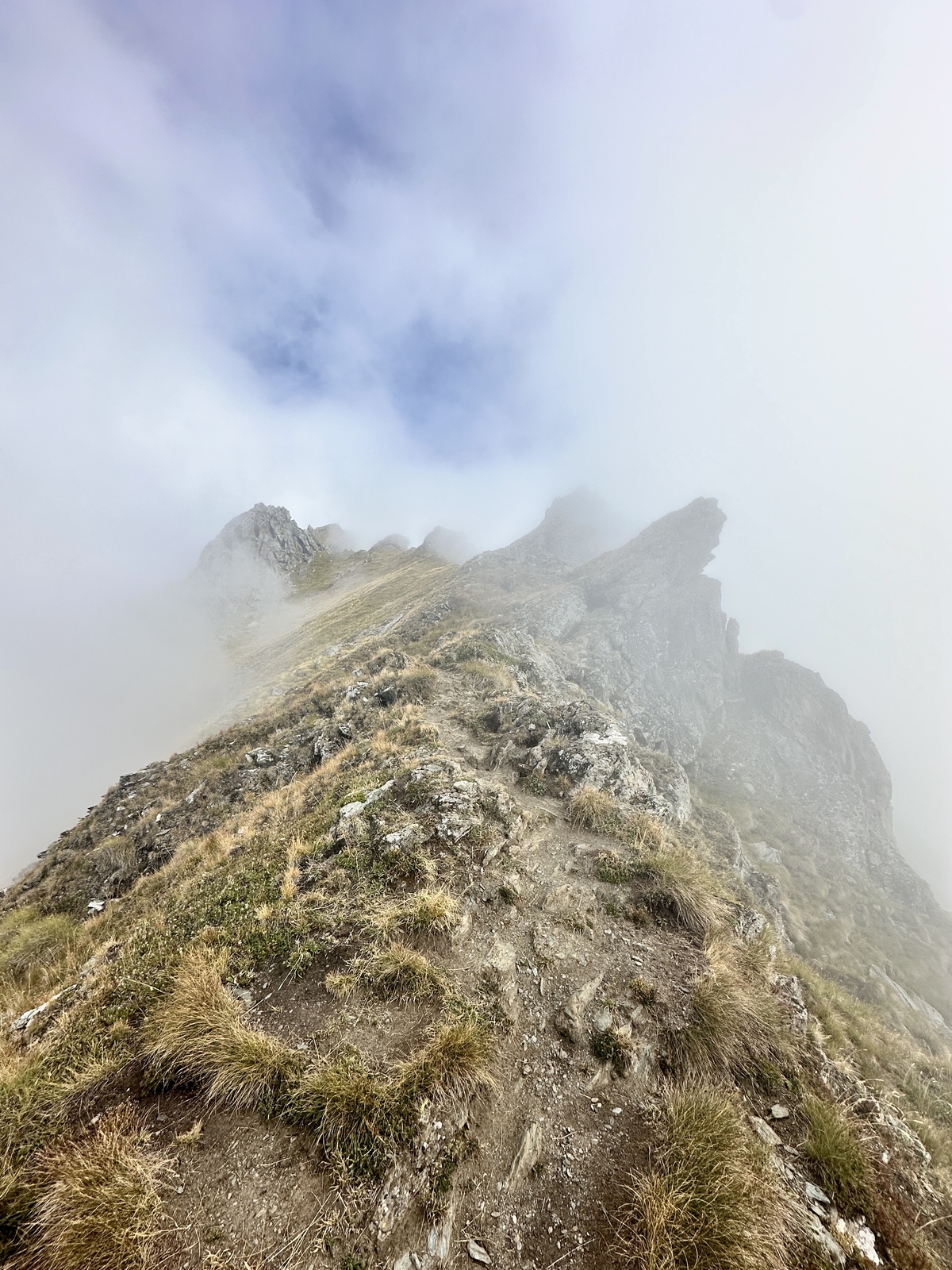
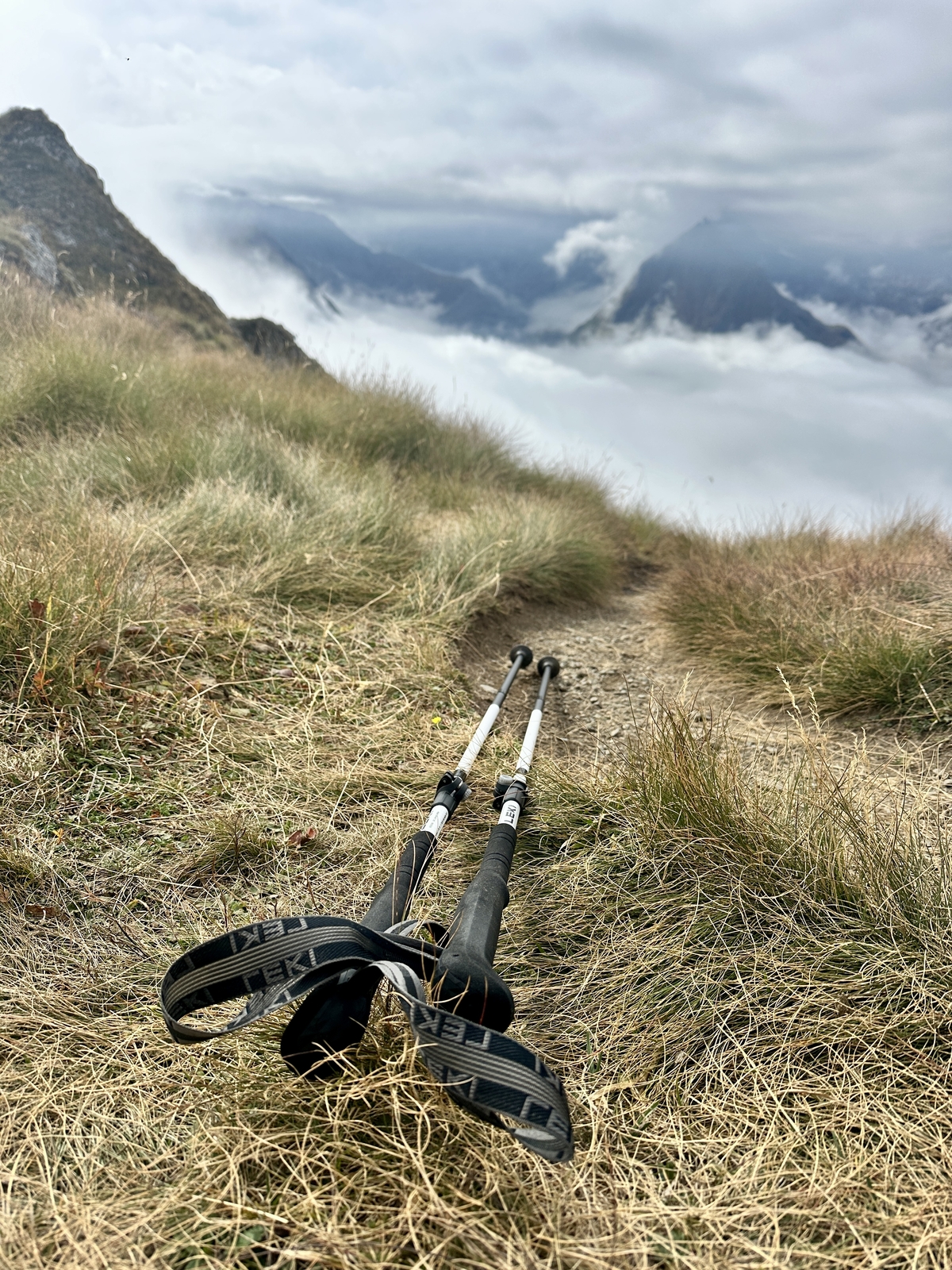
That is what I love about this far end of the Val de Bagnes: I can come back again and again without feeling that I am repeating the same walk. From Fionnay, I climb towards Louvie. From Bonatchiesse, I make my way to the barns. Higher up, the paths also lead to the passes of Bec d’Aigle, Sarshlau, Louvie, La Chaux and Termin. Each one opens onto another side of the mountains. I choose a path to suit my mood and how I feel, then let the mountain set the tone for the day. Sometimes I return with the lake in my mind. On other days, it is the stone buildings, the winding water, the berries, a flock or the sight of a bearded vulture that stays with me on the way back. One side of the valley, a thousand ways to walk — and every time, another reason to return.